





















Rajasthan’s ₹150 Crore Green Push: New CETP Policy to Transform Industries with Zero Liquid Discharge Technology
Big Relief for Industries, Big Win for Environment — Bhajanlal Sharma Government Unveils Landmark Hybrid Annuity Model Scheme

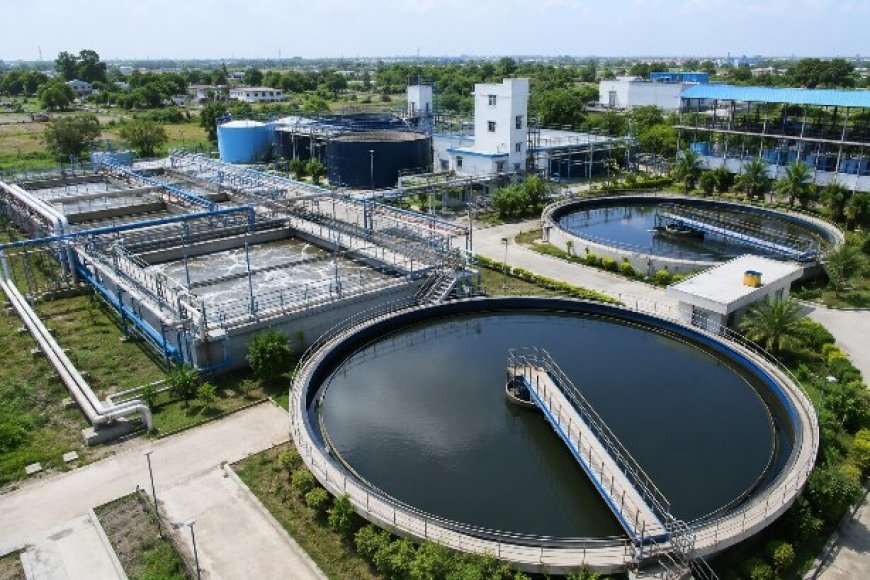
Ananya soch: In a major move that could redefine Rajasthan’s industrial and environmental future, the state government has rolled out a new Hybrid Annuity Model (HAM)-based scheme for setting up Common Effluent Treatment Plants (CETPs) across industrial areas. The ambitious initiative, launched under the direction of Chief Minister Bhajanlal Sharma, promises financial relief to industries while strengthening environmental protection through advanced ‘Zero Liquid Discharge’ technology.
Under the new policy, industries will receive grants of up to ₹150 crore for establishing CETPs in both RIICO and non-RIICO industrial areas. The Industries and Commerce Department has already issued detailed guidelines for the implementation of the scheme.
Treated Water to Be Reused
Additional Chief Secretary of Industries and Commerce Shikhar Agrawal said the scheme will significantly benefit industrial units currently struggling with wastewater management. At present, most industries rely on individual Effluent Treatment Plants (ETPs) or cluster-based CETPs, but many lack proper recycling systems, limiting water reuse.
The new CETPs equipped with modern Zero Liquid Discharge technology will ensure treated water can be recycled and reused, reducing environmental pollution and conserving water resources at the same time.
Government to Bear 80% Project Cost
To implement the project, industrial units within a cluster will form a Special Purpose Vehicle (SPV). The state government will provide 80 percent of the project cost or a maximum grant of ₹150 crore, while industries will bear only 20 percent.
The scheme will follow a Hybrid Annuity Model to ensure long-term operational efficiency. According to officials, 60 percent of the grant will be released in three installments during construction, while the remaining 20 percent will be provided over the next 20 years to ensure sustainable plant operations.
Bigger Benefits Under Existing Scheme Too
In another major decision, the government has also expanded the scope of its existing CETP subsidy scheme. The maximum grant under the one-time assistance model has now been increased from ₹75 crore to ₹100 crore, and non-RIICO industrial areas have also been made eligible.
With industries and environmental sustainability now moving together, Rajasthan’s latest policy could become a benchmark model for other states in the coming years.