























Ladakh Gets 5 New Districts: Historic Administrative Reform Expands UT to 7 Districts
Avinash. PM Modi’s ‘Developed Ladakh’ Vision Gets Major Push as Remote Regions Receive Administrative Identity

Ananya soch: In a landmark move aimed at strengthening governance and accelerating development in border areas, the Union Territory of Ladakh has officially received approval for the formation of five new districts. With this historic decision, Ladakh will now have a total of seven districts instead of two.
The notification was approved by Lieutenant Governor Vinai Kumar Saxena, who described the moment as a “historic day for Ladakh.” The newly created districts are Nubra, Sham, Changthang (Changyang), Zanskar, and Drass.
Sharing the announcement on X, the Lieutenant Governor said the decision fulfills a long-pending aspiration of the people and aligns with Prime Minister Narendra Modi’s vision of a “developed and prosperous Ladakh.”
Governance to Reach Remote Villages Faster
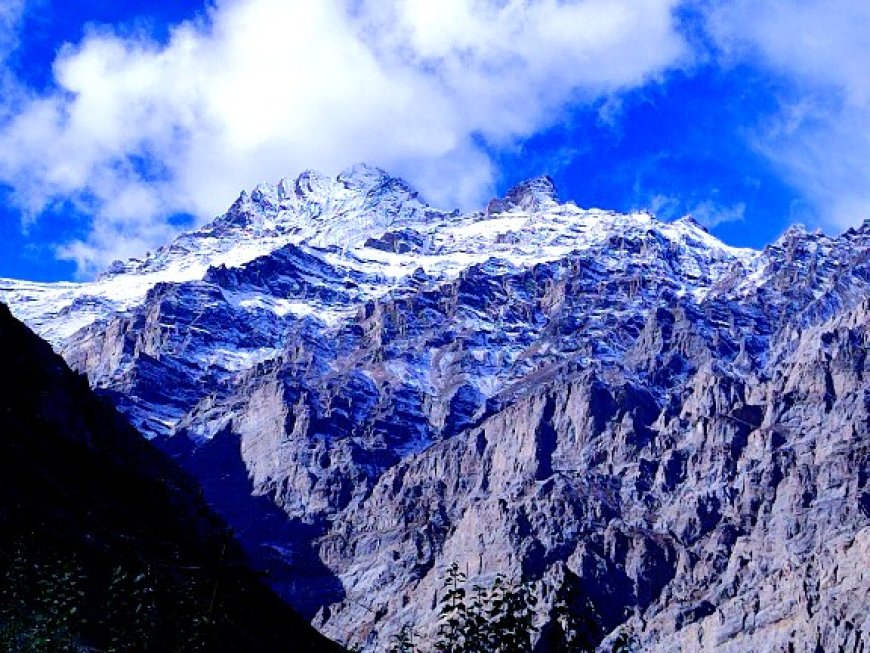
Until now, Ladakh had only two districts — Leh and Kargil. Due to the region’s difficult terrain, harsh weather, and vast mountainous stretches, residents often had to travel hundreds of kilometers for administrative work and government services.
Officials believe the new districts will decentralize governance and speed up decision-making at the grassroots level. Appointment of district collectors, police officials, and departmental officers will improve delivery of healthcare, education, road connectivity, tourism, and agriculture-related services.
Strategic and Cultural Significance of New Districts
Each newly formed district holds unique geographical and cultural importance. Nubra Valley is globally known for its sand dunes, double-humped camels, and monasteries. Changthang represents Ladakh’s nomadic heritage, while Zanskar is famous for its frozen valleys and Buddhist culture. Drass, often called the “world’s coldest inhabited region,” carries memories of the Kargil War.
UT-Level Committee to Oversee Implementation
The Lieutenant Governor’s office has also approved the formation of a UT-level committee to ensure smooth implementation of the new administrative setup. The panel will oversee infrastructure, staffing, boundary demarcation, and budget allocation.
Local residents and social groups have welcomed the move, calling it a milestone in Ladakh’s development journey. Experts also expect a boost in tourism, local employment, and small-scale businesses across the new districts.